4 May 2026
How to Spot Quality Furniture: A Guide for Ghanaian Homeowners
Why Furniture Quality Matters More Than You Think
When you invest in furniture for your Accra home or Ghanaian business, you’re not simply buying objects to fill a room. You’re making a decision that will affect your daily comfort, your home’s aesthetic appeal, and your long-term financial health. A well-made sofa can last two decades; a poorly constructed one might deteriorate within three years. The difference isn’t just visible—it’s felt every time you sit down.
In Ghana and across West Africa, where our tropical climate presents unique challenges to furniture durability, understanding quality markers becomes even more critical. High humidity, temperature fluctuations, and the intensity of our sun can expose weaknesses in inferior pieces almost immediately.
The Foundation: What Makes Furniture Structurally Sound
The skeleton of any piece of furniture is where quality truly begins. Look beneath sofas, chairs, and tables—this is where honest construction reveals itself.
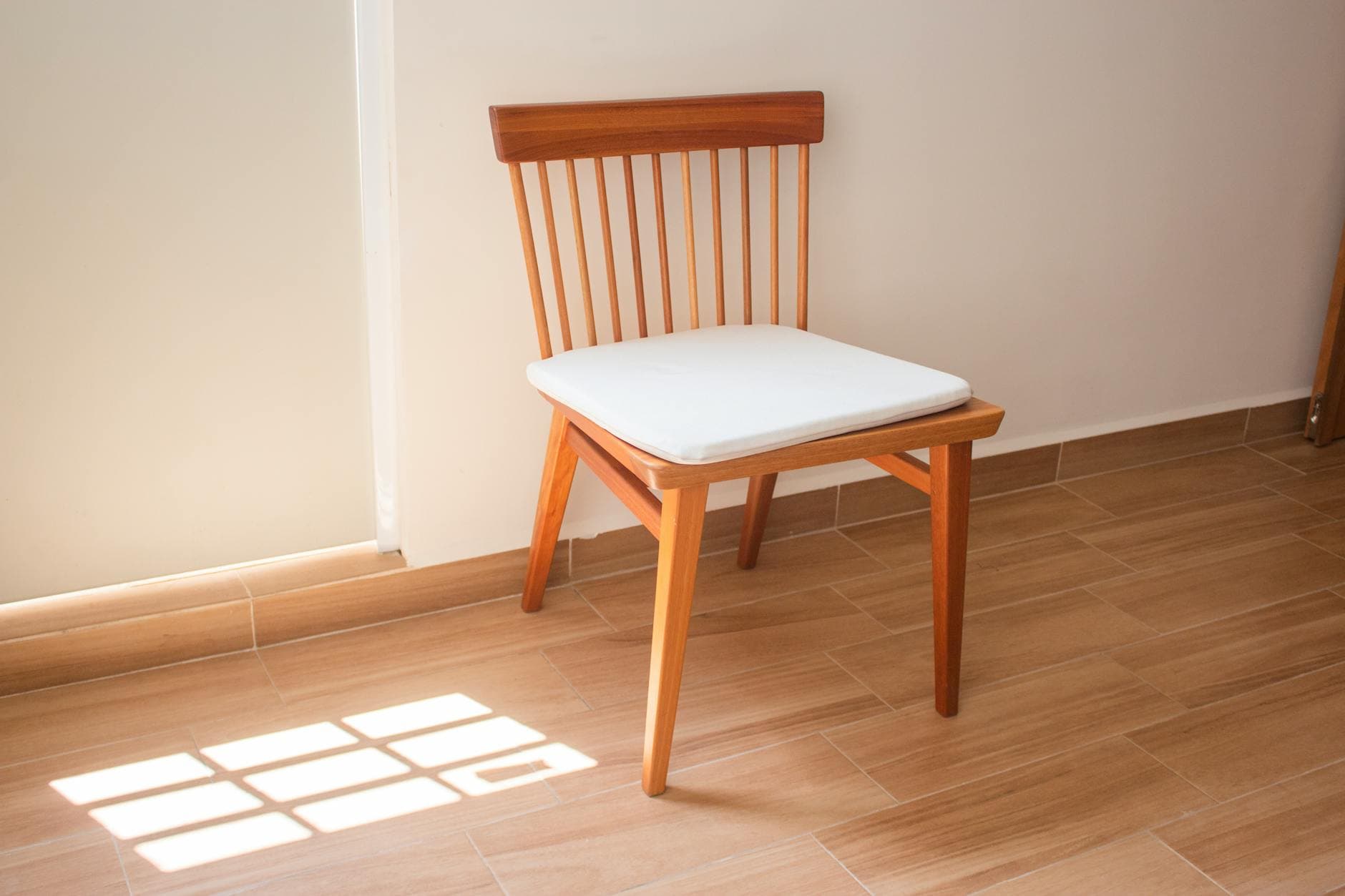
- Solid wood frames are the gold standard. Hardwoods like mahogany, iroko, and teak—species abundant in West Africa—resist warping and provide lasting strength. Softwoods and particle board are significantly more prone to damage, especially in our humid climate.
- Corner blocks and reinforcements indicate craftsmanship. Quality furniture has wooden blocks glued and screwed at joints where stress concentrates. This is expensive to do properly, but it’s what separates furniture that lasts generations from pieces that wobble after a year.
- Joinery methods matter. Mortise-and-tenon joints, dovetail joints, and properly executed doweling show that a craftsperson invested time and skill. Staples and nails alone suggest corners were cut.
- Weight and stability are honest indicators. Lift a chair. If it feels substantial and balanced, that’s usually a good sign. Flimsy furniture often feels light for its size—a red flag that materials are being skimped.
Fabrics and Finishes: The First Line of Defense
What you see and touch tells a compelling story about how a piece will age in your home.
Upholstery quality extends beyond softness. Premium furniture features high thread-count fabrics, genuine leather with proper tanning, or performance fabrics engineered to resist staining—increasingly important in Ghanaian homes where entertaining and family life create real-world wear. Run your hand across the surface; quality fabrics feel consistent and tightly woven. Inferior fabrics pill easily, feel thin, and often show seams that aren’t properly finished.
From Our Collection
Products You Might Love
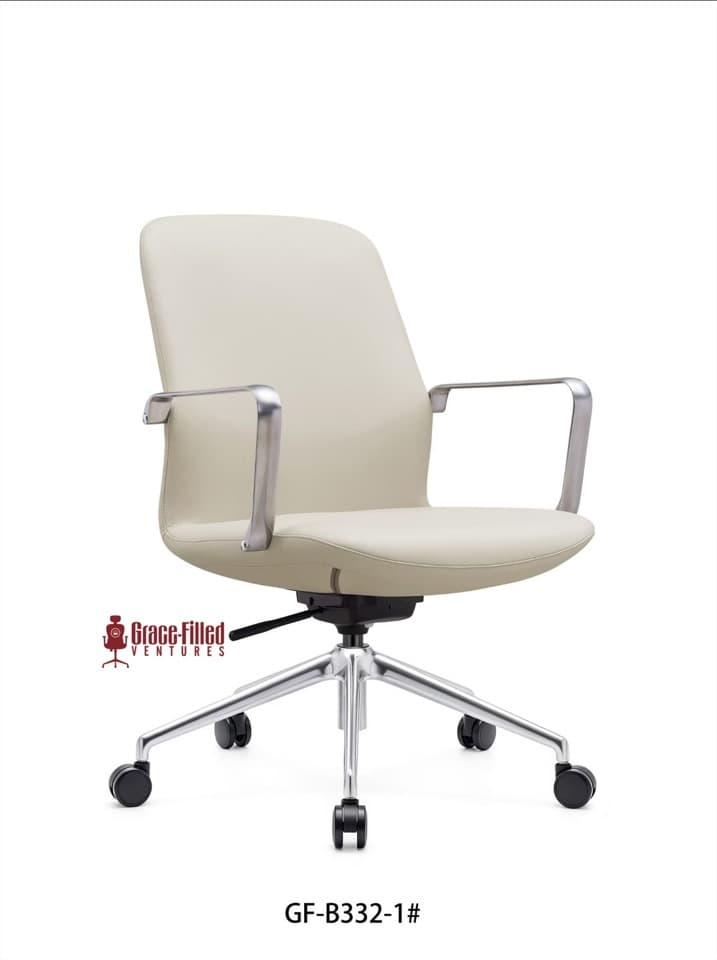
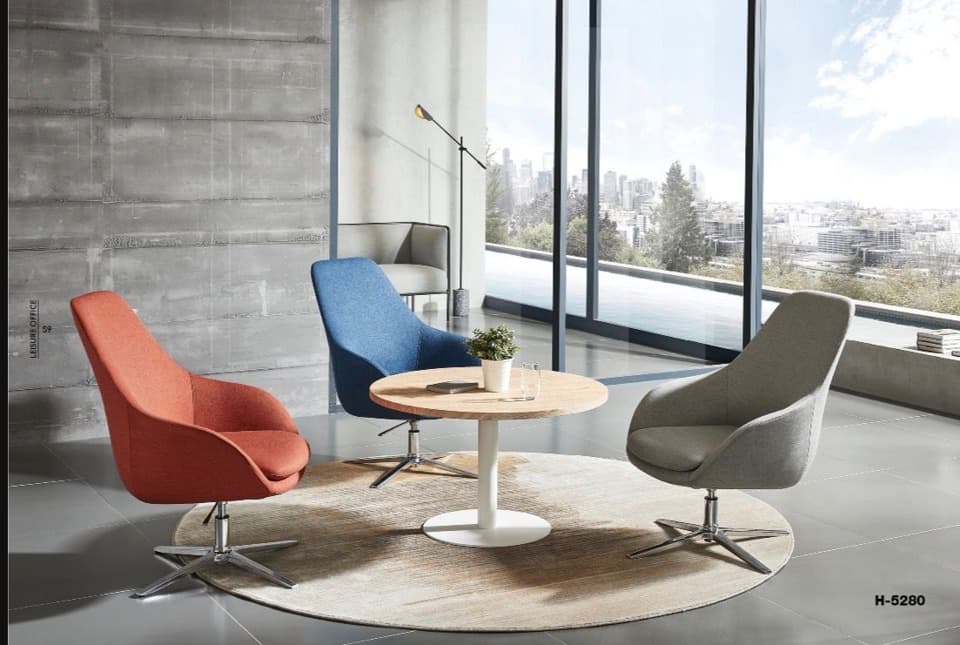
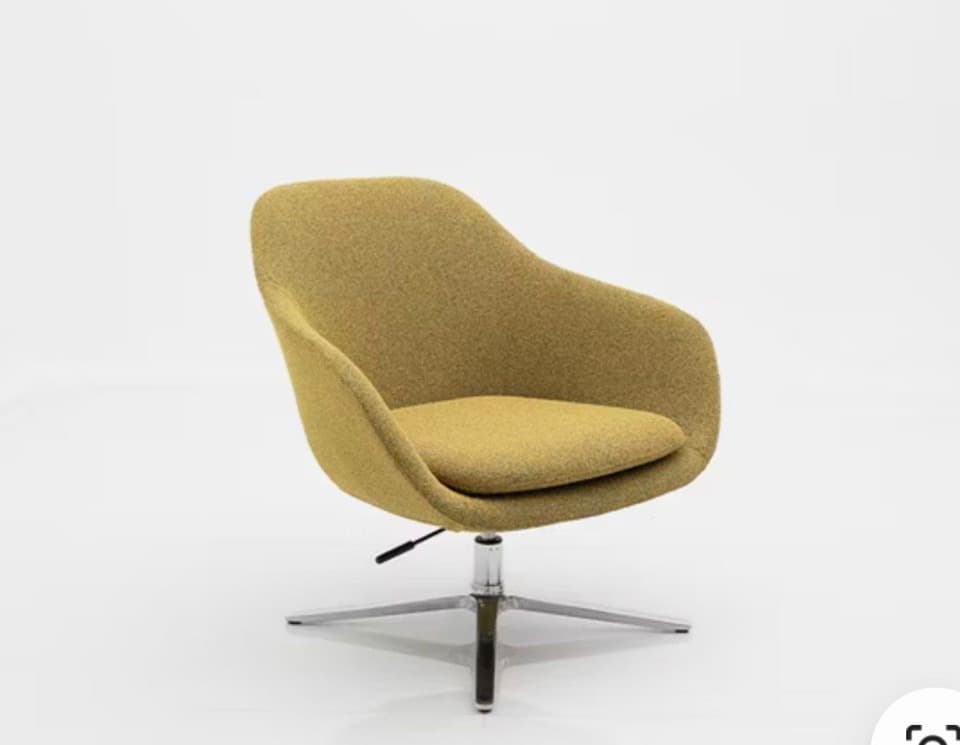
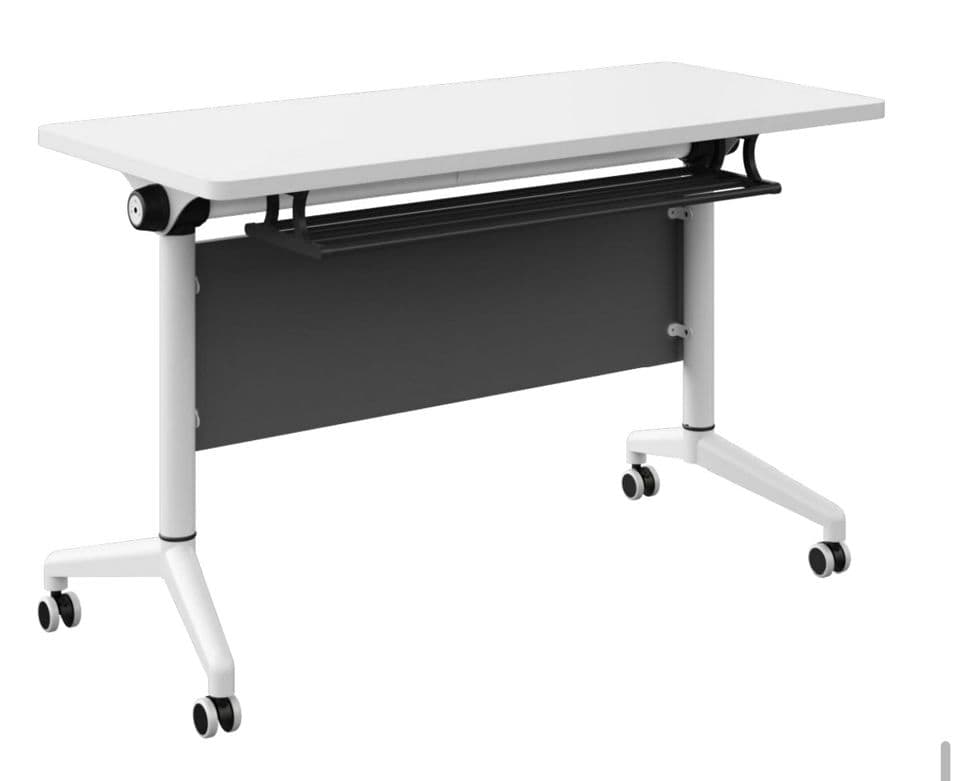
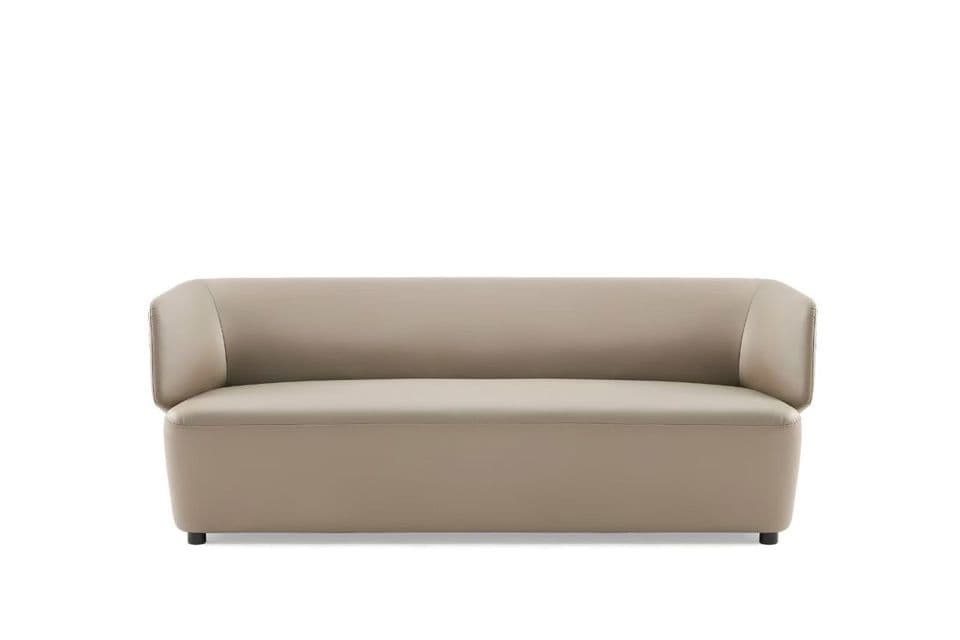
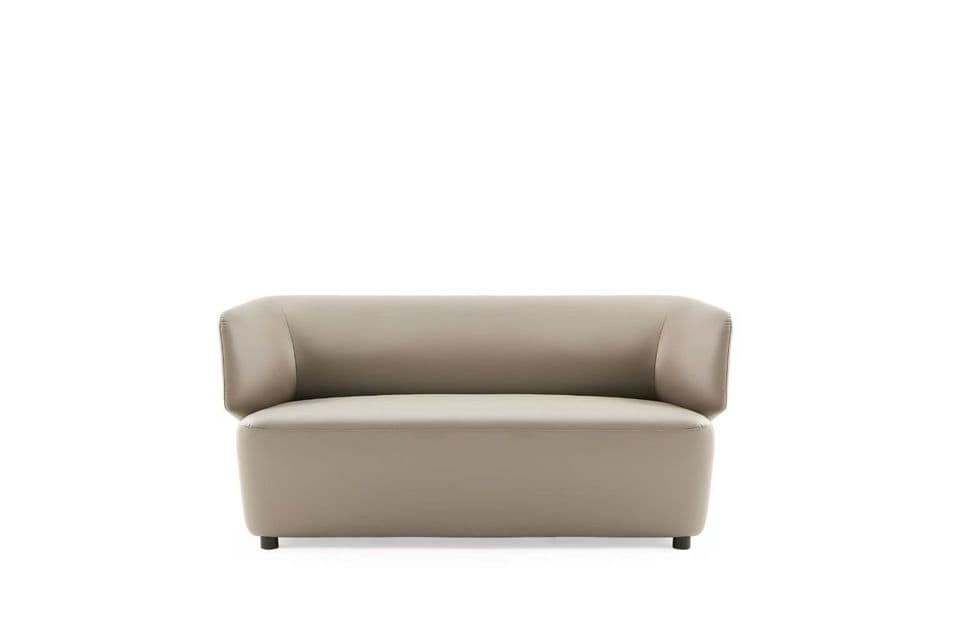
Stitching deserves close inspection. Seams on quality pieces are tight, even, and sometimes double-stitched for durability. Loose, wandering stitches signal that the piece was rushed through production. Check underneath cushions and along hidden seams—manufacturers often reveal their true standards where customers won’t immediately notice.
Wood finishes should be smooth without feeling sticky. Quality finishes—whether natural oils that celebrate West African wood grain or protective lacquers—are applied in multiple thin layers and sanded between applications. Run your fingers across the wood; a premium finish feels silky and even. Cheaper finishes often feel bumpy, uneven, or thin enough that you can feel the raw wood underneath.
The Details That Separate Premium from Mediocre
Professional furniture makers obsess over details that consumers often overlook—and this obsession pays dividends over time.
- Cushion density and core materials determine how furniture feels and ages. High-density foam (above 1.8 lb per cubic foot) resists sagging far longer than budget foam. Natural fillings like cotton or wool, common in traditional West African craftsmanship, offer both comfort and longevity.
- Hardware and moving parts reveal investment in quality. Drawer slides should glide smoothly without wobbling. Hinges should be solid brass or stainless steel, not cheap metal that rusts in our humid climate. Locks should feel secure.
- Alignment and symmetry demonstrate precision manufacturing. Legs should be exactly even; doors should close without gaps; patterns should align at seams. These aren’t accidents—they’re evidence of quality control.
- Hidden construction is where manufacturers show their true character. Open a drawer fully and look at the back. Is it finished wood or raw particle board? Are joints reinforced or just stapled? Premium makers finish every surface with care.
Connecting Quality to Your Ghanaian Context
Our climate and lifestyle demand furniture that works harder than pieces sold in cooler, drier markets. High-quality furniture tolerates humidity, resists insect damage better, and weathers the intensity of equatorial sun. When you choose superior construction and finishes, you’re choosing furniture that thrives in Ghana rather than merely survives.
Similarly, the craftsmanship tradition runs deep in West Africa. When you invest in quality, you’re often supporting artisans and manufacturers who understand our environment intimately and build accordingly.
Making Your Decision with Confidence
Before purchasing any major furniture piece, take time to examine construction firsthand. Ask questions about materials, joinery, and finishing processes. Request samples of fabrics. Feel the weight. Sit on the piece. Trust your instincts—quality often announces itself through tactile confidence.
At Grace-filled Ventures, we believe that thoughtfully chosen furniture becomes part of your family’s story. We’re here to help you navigate quality with expertise rooted in understanding how furniture performs in Ghanaian homes. Visit us to explore pieces built to last and designed to bring grace into your space.